

Old Historical Instruments
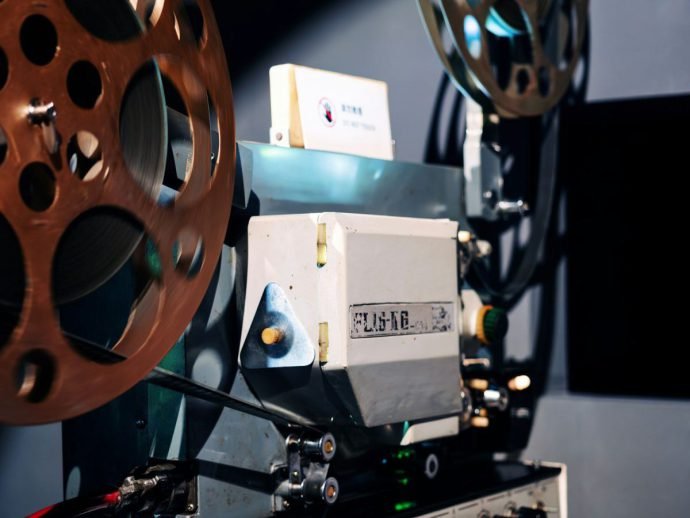
There is a small museum in downtown Seattle where you can still hear a hand-cranked film projector run. The sound is the first thing you notice: a soft, steady clatter that feels like a heartbeat from another century.
I spent a whole rainy afternoon there with my notebook, and I left with more ideas than I had brought. Here is what those old machines taught me about design, patience and the joy of understanding how things work.
It was also a reminder that the best travel moments are often the ones we did not plan at all.
A rainy afternoon in Seattle
I had planned a walk along the waterfront, but the sky had other plans. Ducking into the museum was supposed to be a short escape from the weather. Instead it became the best part of my trip.
The rooms are small and a little crowded, full of cameras, phonographs, typewriters and projectors. Each one has a handwritten card next to it, often with the name of the person who built or repaired it. That human detail made every machine feel personal.
One volunteer, a retired engineer, noticed my notebook and offered to start the projector for me. Watching the film flicker on a small screen felt like a private premiere.
Machines you can understand
What struck me most was how readable everything was. You could follow the film from the reel through the gate and onto the second reel. You could see the gears turn and guess what each one did. Nothing was hidden behind smooth plastic.
Most of the devices I use today are beautiful, but they are closed. When they break, I replace them. Standing in front of that projector, I wished more of my things invited me to look inside.
I asked the volunteer why he loved these machines. He said that when he was young, fixing something was the best way to make friends. You learned from someone, then you taught someone else.

What I sketched in my notebook
I do not draw well, but I love drawing things I want to remember. That afternoon my notebook filled up with gears, cranks and small notes in the margins.
Later at home I tried to redraw everything from memory. The drawings were worse, but my understanding was better. Sometimes the second attempt is where the learning happens.
- A film projector with two huge reels
- A typewriter with keys that click like rain
- A wooden camera with a cloth hood
- A phonograph horn painted with tiny flowers
- A pocket watch opened to show its tiny gears
Honest design
Old tools remind me that good design is honest. Every part has a job, and you can tell what that job is just by looking at it. The beauty comes from the function, not from decoration added later.
I try to bring that idea into my own work. When I write a post, I ask whether every paragraph has a job. When I set up my home, I ask whether every object earns its place. It is a simple question, and it cuts through a lot of noise.
Honest design also ages well. Those machines are over a hundred years old and still make sense. I hope some of the things we build today can say the same.
You can tell how a good tool works just by looking at it. That is my favorite kind of beauty.
Visiting with kids or friends
If you visit a museum like this with children, let them lead. They ask the best questions, and they are not afraid to say a machine looks funny. With friends, pick one object each and explain it to the others. You will be surprised how much you remember later.
Most small museums run on volunteers who love to talk about their collection. Ask them for their favorite piece. The stories you hear will be better than anything on the cards.
Many small museums also host repair days or open workshops. They are the best way to see the machines move and to meet the people who keep them alive.

Old things in a modern home
I do not collect antiques, but I keep a few old objects at home: my grandfather’s pocket knife, a typewriter from a flea market and a brass desk lamp that needed new wiring. Each one has a story, and each one still works.
They sit happily next to my laptop and phone. I like the contrast. The new things help me work fast; the old things remind me to slow down and to take care of what I already have.
Bringing it home
Since that afternoon I repair more and replace less. I fixed a lamp, sewed a bag and learned how my coffee grinder comes apart. None of it was difficult. It only needed a little curiosity and a free Saturday morning.
A quick tip for your visit: check the museum calendar before you go. Many small collections run their machines only on certain days or hours, and seeing a projector or printing press actually working is a completely different experience from reading about it on a card.
Final thoughts
Next time the weather ruins your plans, look for a small museum nearby. Bring a notebook, take your time and let one old machine tell you its story. It might change the way you look at the things on your own desk.
Curiosity is the cheapest ticket to a great afternoon, rain or shine.

You might read these too